The Importance of being an Amateur

Just recently I have been preparing a talk that I shall be giving at ACCU 2013 in Bristol. Luckily the Bath & Bristol chapter of the ACCU asked me to come and give a dry run of the talk recently and thanks to their many constructive comments I have just finished tweaking and finishing the talk for the main conference.

In preparation for the talk my main texts have been a combination of Henri Bortoft with his “Taking Appearance Seriously”, Iain McGilchrist and his magnum opus “The Master and His Emissary”, and finally- of more import for the techies among us – another magnum opus from Christopher Alexander, his “The Nature of Order” series (which I shall refer to as NoO!).

During the preparation I have been reading these works primarily in “reference” mode, making notes and actually trying to “study” them more. However, now that the main prep is over, I decided to jump forward to the last of the four books from Alexander. So far I had only got to half way through the second one.

Given the slides I had prepared for the talk, some of which included the titles “The Importance of Energy” and “The Foundation in Play”, I was surprised to see just how well they meshed with Alexander’s approach in his Book 4 of the NoO series.

I was particularly struck by his comments about Chartres cathedral and was desperately trying to relate it to software development when a particular thought struck me between the eyes. Although Alexander never mentioned the word, one of the main drivers that the artisans making cathedrals would have used would have been the LOVE of the job, particularly given the religious context so prevalent at that time.

I then reflected upon the background history of software development and realized that it has usually been the polar opposite of this approach, since its main roots are in the military and past war efforts, particularly WW2 and the work at Los Alamos on the atomic bomb. So I then realized that a major reason why I am interested in this more human approach is in order to counteract the lack of humanity that is prevalent in software development, an easy trap to fall into given the focus on technology, and its associated roots in the military.

I then remembered the root within the word amateur – i.e. doing it for the love of it – and realized that this is an important driver for taking the time to make software development truly become a craft and an art. Thus, in order to ‘heal the Cartesian split’, as I mention in the talk, we need to bring more of this feeling of doing it for the love of it, and this is exactly what Christopher Alexander is driving at. He has a great story about getting his students to paint Easter eggs in order for them to learn how to create buildings with good centres or beings as he is also calling them.

I have included the section entitled ‘Innocence’ here as I feel it says a lot about what is needed to truly be an ‘architect’, whether of a building or of software. But unfortunately I am not usually given the time for such exercises and have had to develop this perspective in the background throughout my career. I suspect this is a common experience. But maybe I am just too much of a dreamer…

Extracted from Book 4 of “The Nature of Order : The Luminous Ground” by Christopher Alexander. pp99-100.

12 / INNOCENCE

It may help for me to describe a class I once conducted, in an effort to improve the students’ ability to form buildings from beings. I first asked each student to give an example of an innocent process of drawing or making an ornament which they had most enjoyed. I was looking for something which had been truly joyful for them, not part of their student training. They gave various answers. As I listened, I noticed that the smaller the examples were the more true – that is, the more innocent they were, the less contaminated. Then one student said, in a very soft voice, that he had enjoyed painting Easter eggs in his childhood. That was something that was pure joy, unaffected by guilt, or by a feeling that he must “do well.” At first I could not hear him. He was shy about it, didn’t want to repeat what he said. I persuaded him to speak a little more loudly, and finally we all heard him say, embarrassed, that he had loved painting Easter eggs.

I felt at once that this love, of all those which had been mentioned, was one of the most pure. It was simple. In that work, there is nothing except the egg and the pattern on its surface, no mental constraints of what one “ought” to do – only the thing itself. No one really judges or censors the outcome – so it is easy and alright, not festering with complicated concepts about architecture when you do it.

So I asked each student to make holes in the ends of a raw egg, blow out the yolk and white, and then paint the egg, decorate it like an Easter egg. I made it clear that they did not have to use the fifteen properties. All I wanted them to do was to make the egg beautiful, to enjoy what they were doing. Here are some of the eggs they painted. The shapes and spaces in the ornaments took their shape, and became what they are, just to be beautiful and to have the maker’s depth of feeling visible and shining in them. That was the only principle which governed them. And this, I believe is what one has to do to make a serious work. Naive as it sounds, it is this, too – I believe – that the great traditional builders did.

The students’ other architectural work improved greatly once they understood that making a good building is more like the joyous work of painting an Easter egg than like the practical task of being an “architect.”

BOUNDARY STORIES 5 : War Damage

“Peace should never be taken for granted.
The wise never forget this fact.
Frequently the young do – to their cost.
The pain of war passes unheeded through the generations.”

When he first read the next note, he found it difficult to connect to its message. All that changed in the next six hours.

Edwin visited his mother.

His visits were far too infrequent but he had always blamed that on her being Difficult – Capital D – which always sapped his energy. He loved his mother of course but their relationship had always been strained. She was getting on now but still had a big enough collection of marbles. They had a lovely meal and somehow their talk turned to her wartime experiences.

Edwin always liked to hear about these times as he felt it gave him a window on a very different time in history. Little did he know that this story would have a big impact on him.

The subject was the boat trip that her parents, herself and her brother of four years had taken from the Mediterranean back to England in 1942. She had been eight at the time. The ship came under attack from enemy planes and she and her brother were placed in the care of two sailors as the aircraft began to strafe the vessel. As they were climbing up a ladder to another deck her brother and guardian sailor went first followed by Edwin’s mother and her guardian. But as her guardian climbed the steps he was killed by machine gun fire from the aircraft and fell back to the deck below with three red dots on his chest marking the exit wounds from the bullets.

It was at this point that Edwin almost dropped his teacup on the floor as his mother related this fact as if commenting on the weather.

He suddenly realized how such an experience must have affected his mum, only eight at the time, and it was as if a door had been opened onto another room of his mother’s psyche. No wonder she was Difficult. Capital D.

Edwin left his mother’s house filled with a new respect and love for her but with a sense also of loss. Had he ever really known her? Had her experience of an external war somehow unconsciously fomented his internal war?

When he arrived home and re-read the note, his tears fell on the paper as they washed away the scales from his eyes. He now realized how blind he had been to the nuances of one of the most important relationships in his life.

Things would never be the same.

© Charles Tolman 2013.

BOUNDARY STORIES 4 : Wish You Were Here?

Edwin felt like he was fighting for his sanity. Day by day. Step by step.

His new insight into boundaries seemed to start internally pushing him. He felt he was under psychological attack. Just what the hell was going on?

The next note arrived a month later. A bigger delay than normal as though he was being given time to be stretched further and further. But to where?

“The Threshold has been Crossed.
Outer has become Inner.
The War is now Internal.”

It now seemed that his life was in synchronization with the notes. Or was someone watching him? He looked outside the front door to see if anyone was around. Nothing. No one. It needed a distinct effort of will to stop himself becoming paranoiac.

There were a fair few capital letters in this note.

As. If. Every. Word. Was. Important.

His life was becoming more stressed, but since his conversation with Quentin he was finding a calmer way through the tangle of everyday living. But he felt he was splitting apart, the different parts of himself coming away from each other like the segments of an opened orange.

His thoughts were getting a life of their own, and taking wing. His feelings were swimming all over the place. The only rock in this realm of air and water was his will as he learnt to hold it all together by its strength.

Yet the insights in the notes were now starting to give him a glimpse of another world. One that was calmer, more sane – A shining realm of clear thought – like that moment in the pub with Quentin. His experience was starting to connect with the words from the notes. As though the author had already paced along the same path he was walking. And just occasionally, for a moment at a time, he would connect to the light, as if he had been looking at shadows all his life and was only just starting to truly come home.

A Threshold? It sounded a bit dramatic, but it did feel like he was crossing some internal boundary. And he knew instinctively this was going to get worse and he was going to need all the strength of will he could gather in order to hold himself whole.

An Internal War.

And Edwin was the battlefield.

© Charles Tolman 2012.

BOUNDARY STORIES 3 : Squeezebox

“The unconscious path leads to repeating patterns,
until the hard lesson is learnt.
Know Yourself.”

The pressure of the stuff of life on Edwin was building to breaking point.

Then this note turned up on his doorstep.

Great.

Work was getting ever more frenetic. More people asking for more help – same old, same old. He was thankful there had not been any more similar interactions with his boss, probably because he was doing more and more and was only keeping himself together by the sheer power of will. To cap it all he was also having financial difficulties that were making life look darker, bleaker.

The note this time sent his mind into a frenzy of self-doubt. Was he just repeating things? Was he learning anything? Did he really know himself? Perhaps this was to be expected given his introspective nature – he knew that about himself at least. When he confided in his friends, some said that they knew others in the same boat, so it was not just an isolated phenomenon.

Same boat indeed: Up the Creek – Capital C – without a paddle.

He was beginning to see that it was a matter of knowing himself, mainly knowing his limits, and being clear about his boundaries. Once he gained this insight he felt justified in pushing back at people and saying No. He just hoped he didn’t sound like a two year old. Then there was his best friend Quentin. He was as eccentric as his name sounded and, boy, did he have some funny ideas. He said that Edwin needed to do more. At which point Edwin went ballistic.

More! Yes More. Capital M.

Once Edwin had returned to Earth, luckily he had not achieved escape velocity, he managed to calm down from swearing at Quentin and finally ended up sharply berating him for his lack of empathy. As he drew breath, Quentin pointed out that Edwin had to do More Of The Right Things. Activities that gave his self more fulfilment, more energy. He must carve out the time for himself Consciously. Edwin heard Quentin put the capital letter in the sentence.

It was then that Edwin went very very quiet. A mood that stayed with him all the way on the walk home, the previous frenzy of his mind replaced by an ethereal calm. As he walked he calmly breathed in, breathed out, breathed in, breathed out.

The latest note went on the clipboard. This time with more than just the date. At the bottom he annotated it with the following word:

BOUNDARIES.

Capitals.

© Charles Tolman 2012.

BOUNDARY STORIES 2 : Hanging on in Quiet Desperation

The next note arrived a week later:

“As scales fall away from eyes left too long in the dark,
Stunned inaction may be the blind response.
But change will not stop and only the wise will understand.”

The previous day had been Not Good.

Capital N. Capital G.

Edwin had been on the receiving end of a tongue lashing from his boss who clearly knew absolutely nothing about the problems he was daily facing in his job. As the note had intimated, Edwin had indeed just stood there in stunned inactivity allowing the words to roll over him while mumbling something about doing better in future as he left his superior’s office.

As if it was Edwin’s fault.

The company had fired half the work force the previous month thanks to the recession and he was supposed to be grateful to still be in a job. All it meant was that he was stuck with doing twice as much work which didn’t always get done in the way the managers wanted. So much for being indispensable.

This time he did not throw the note away, but made a special place on his pin board for the two notes, and dated when they were received. He pondered whether this was a wise response. One thing he knew was that he didn’t understand.

However he was nothing if not organized.

© Charles Tolman 2012.

BOUNDARY STORIES : Background

Having written already about what I have called Boundary Problems (Home Life, Bringing Work Home) and the multiple issues connected therewith, I decided to try my hand at some fiction to express these wide ranging concepts. To this end I have invented the character of Edwin who gradually awakes to changes in the world around him and journeys, hopefully, from bystander to participant. We will have to see how he does. It will be as much a voyage of discovery for me as it will be for him!

Initially I expect to be able to provide new stories weekly, but I may reduce the frequency depending upon the presence or otherwise of my muses!

I hope you enjoy the stories and let me know what you think.

Anyway, I must get back my story keyboard…

BOUNDARY STORIES 1 : Ch-Ch-Ch-Changes

The cryptic note had turned up on Edwin’s doorstep that morning:

“A change unnoticed by most mortals.
A change with silence to mark it’s passing.
A change blown by the zephyrs of time.”

He wondered just who might have sent it. It didn’t sound like hate mail but it was definitely mail he hated.

He hated the sender trying to manipulate him.

He hated people who tried to mess around with his mind so he just threw it in the bin before storming out of the front door to go to work. Work he also hated if he was honest with himself.

Work was just another one of those days, slightly worse than most, where he wondered about the sanity and judgement of those that ran the company. But what the hell, he was just a hired hand so he did as he was told, as long as it paid the mortgage.

But through the morning the contents of the note did indeed mess with his mind. It was as if he was looking at one of those drawings that could be seen two ways and his work was the drawing that, so far, he had only seen one way. The note had shown him another way and he did not like it.

During the busy morning he stopped and looked around at his colleagues and started to wonder if work used to be this frenetic in the old days. He was sure life must have been slower. But if so was there indeed a wind of change that had gone unnoticed?

When he got home he went to the bin and extracted the note, placing it on the kitchen counter and read it again while he prepared his evening meal. He could not stop the words rolling around in his head.

He did not sleep well that night.

© Charles Tolman 2012.

GLIDER CHRONICLES 2011 – November 12th : Pedal Power.

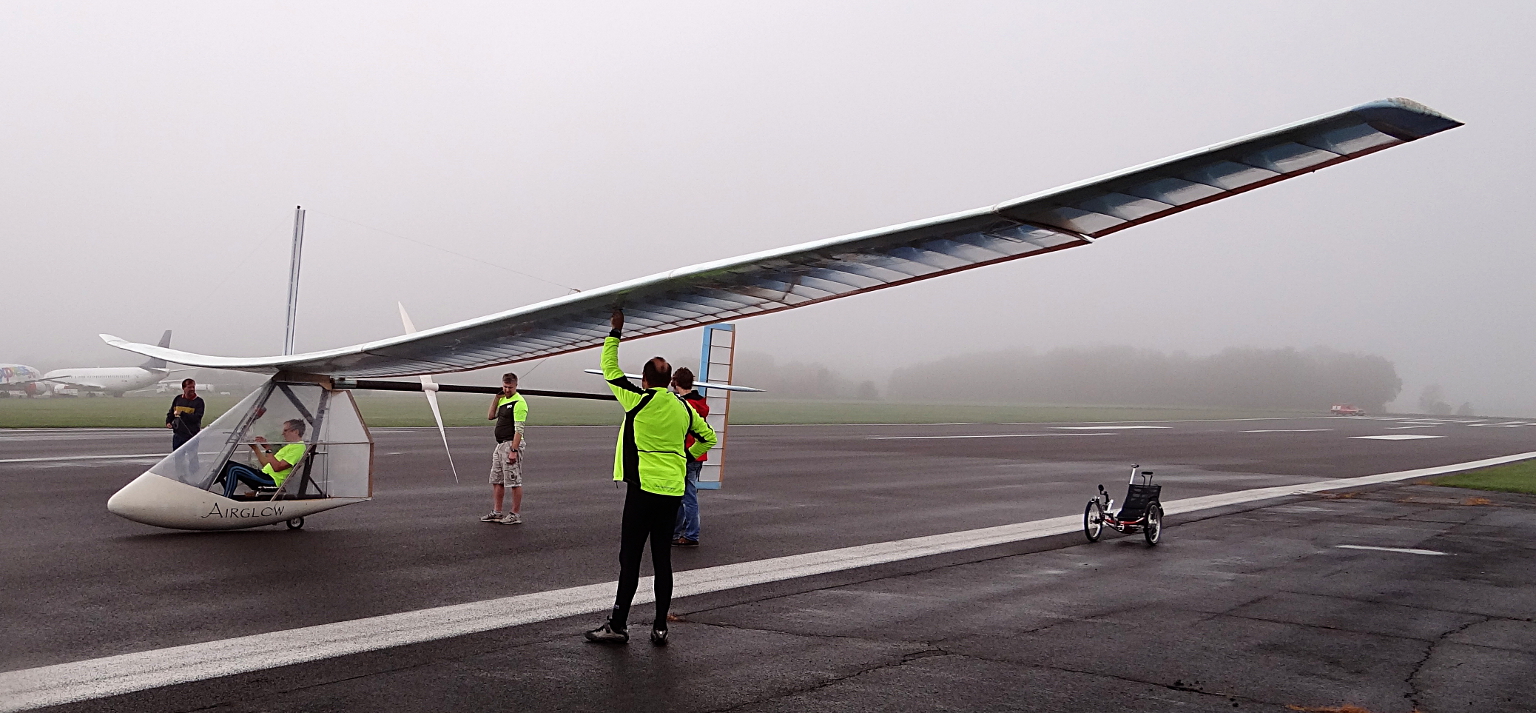
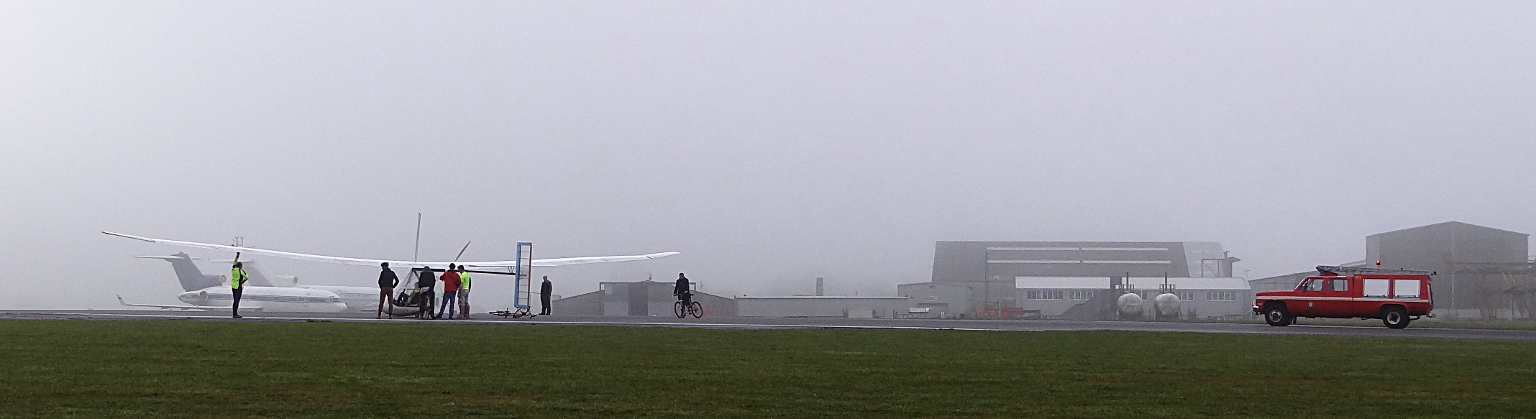
Believe it or not there WAS some flying on this day despite the weather at the start of the day being misty.

However this post is primarily to show some of the pictures of the 50th anniversary of a human-powered flight back in the 60s at Lasham by the then CFI Derek Piggott. Check out this hilarious British Pathe newsreel here.

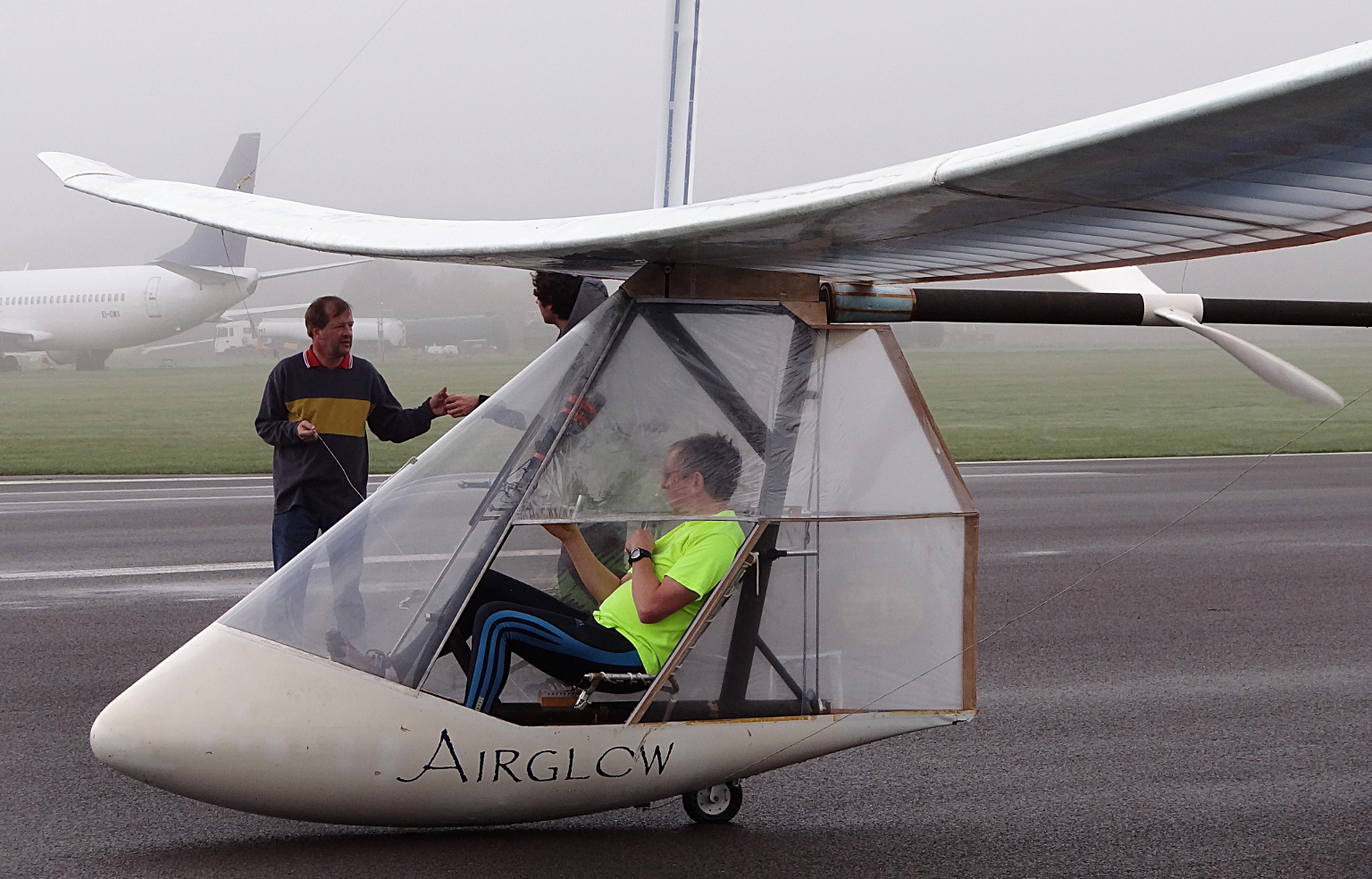
The aircraft being flown at Lasham is called Airglow and uses modern materials and ideas. The day dawned very misty and the pedal-powered aircraft was trying to get some flights in before an airliner was due to take-off. You can see the firetruck trying to chivvy them along in the following shot.

Trying to get some last flights in before an airliner is due to roll. Hence the fire truck.

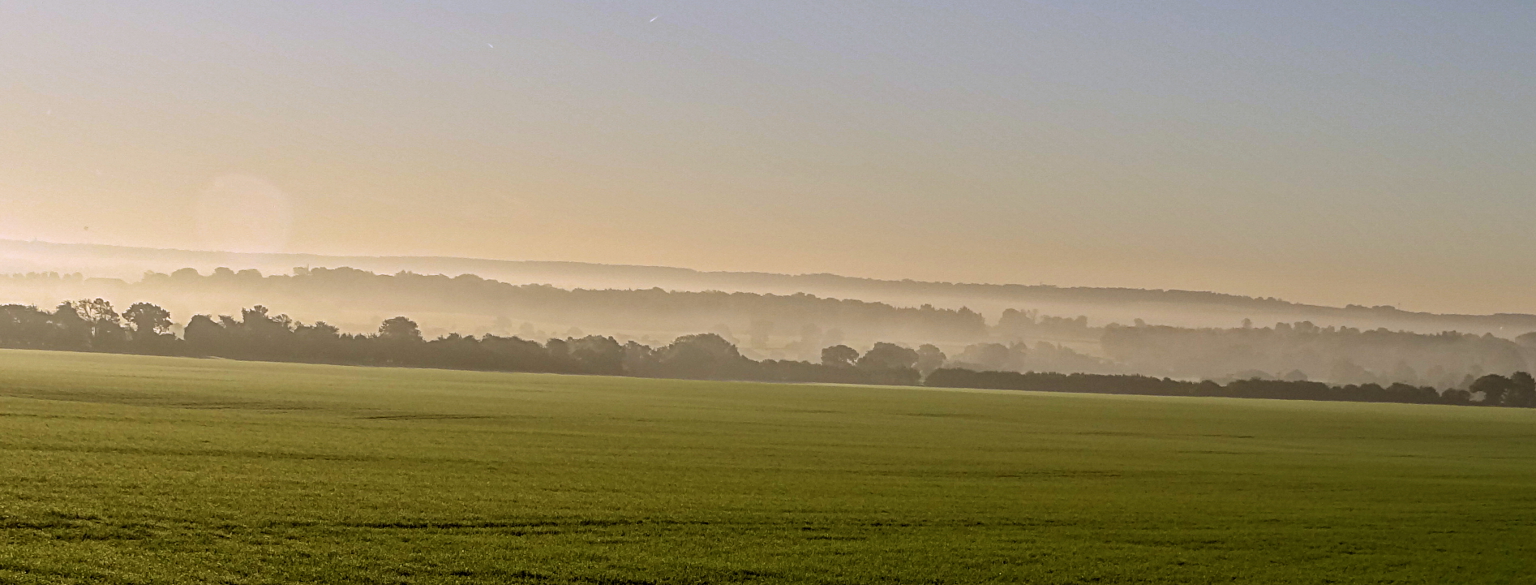
Mist covered sun.


The shot at the right shows just how misty the day was. I even managed to get some shots with the camera.

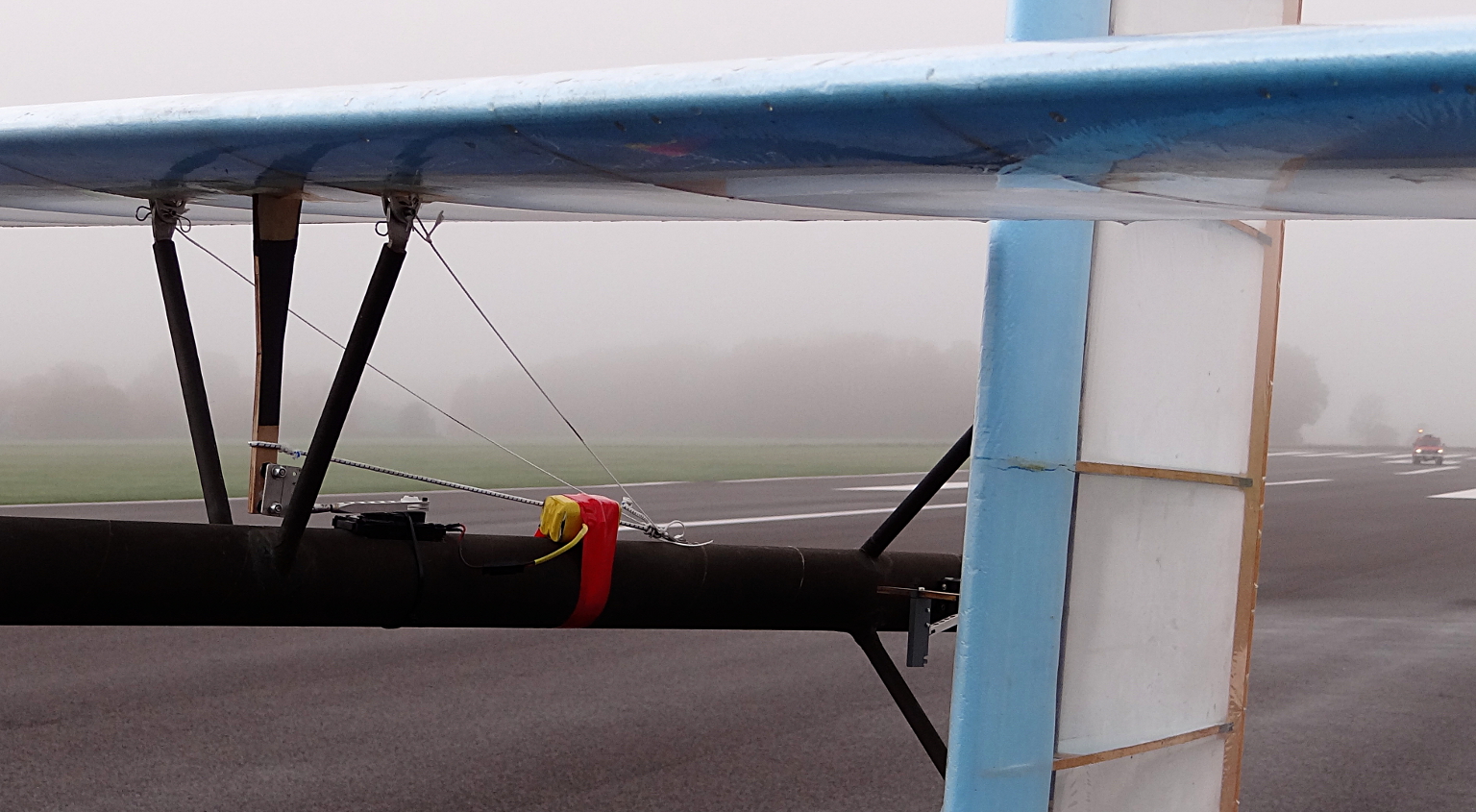
An interesting point about the construction that is shown in some of the shots later is that rather than having the weight of control cables running from the front cockpit area, they used model aircraft servos. Who would have thought that a pedal powered-aircraft would be fly-by-wire? But it worked admirably well, apart from getting a bit wet in the mist which messed up the contacts.

Also I am not sure I can say much positive about the fashion sense of the flyers. But what can you expect from a mixture of a pilot and a cyclist? 🙂

I will leave you with some of the other shots I took on the morning.

Until later.

View of the model aircraft servos for the elevator and rudder.

GLIDER CHRONICLES 2011 – October 15th : Last of the Autumn Soaring

Having checked the weather forecast the day before it was, as expected, a beautiful sunny morning, though as is the way of such things its beauty was not diminished by the expectation.

I cannot say that I sprang out of bed, I could describe it more poetically as an intentioned rising from my nocturnal abode. The truth is I look forward to a weekend lie-in so it does require some willpower to get going, but once rolling, the stone is happy to go flying.

Having had the “good for me” muesli breakfast I got everything ready, packed the car, and got going. The mist on the way to the gliding club was breathtakingly lovely and I forestalled my enthusiasm to get to the club long enough to stop and take at least one shot of its beauty.

Early morning mist on the way to Lasham.


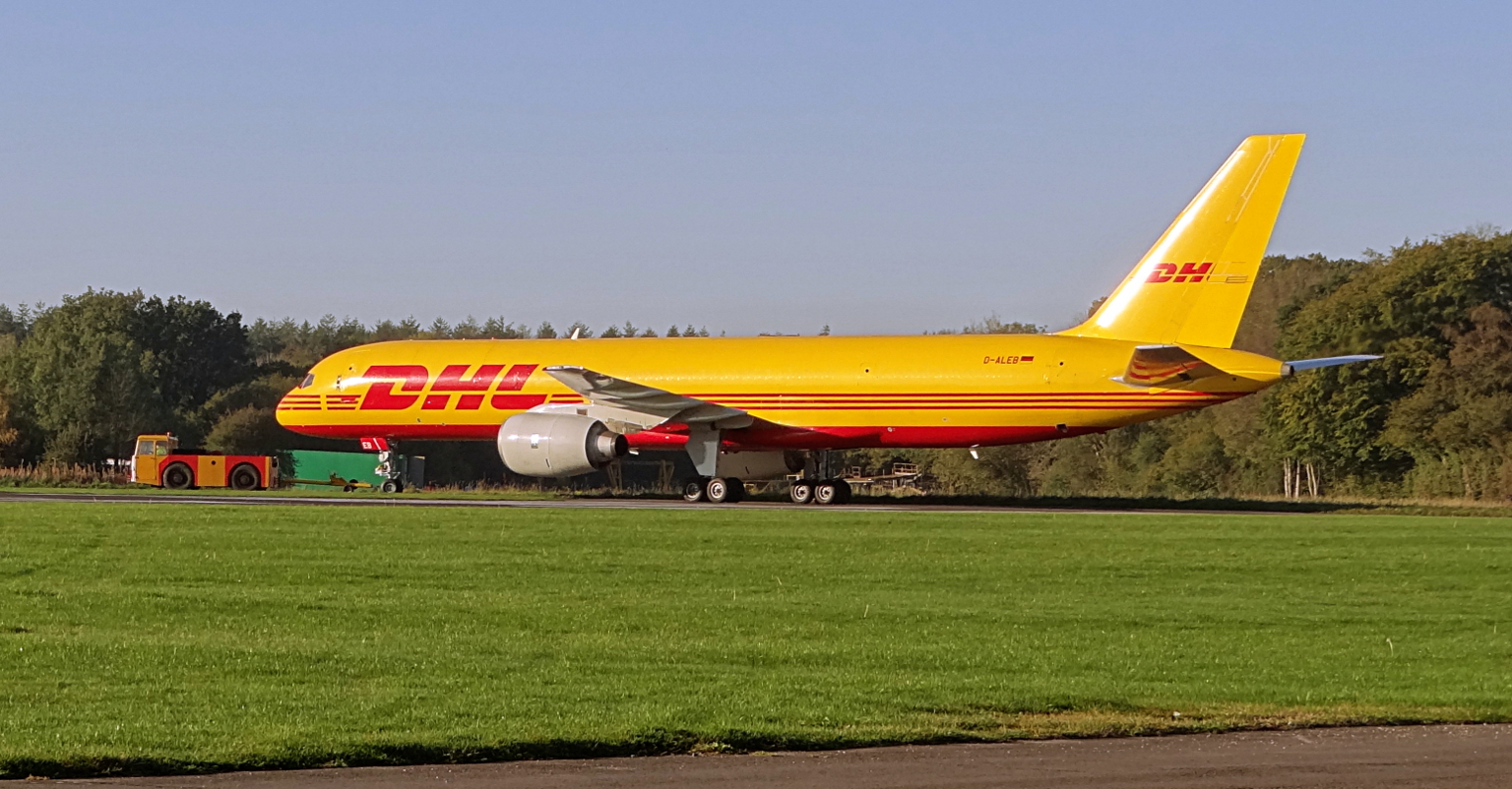
Once at the club I saw an early arrival being towed off the runway as shown in the photo below. I was thankful that it had turned up then rather than interrupting flying by appearing in the middle of the day as has happened many times before.

Early jet arrival before the gliders were even on the runway.


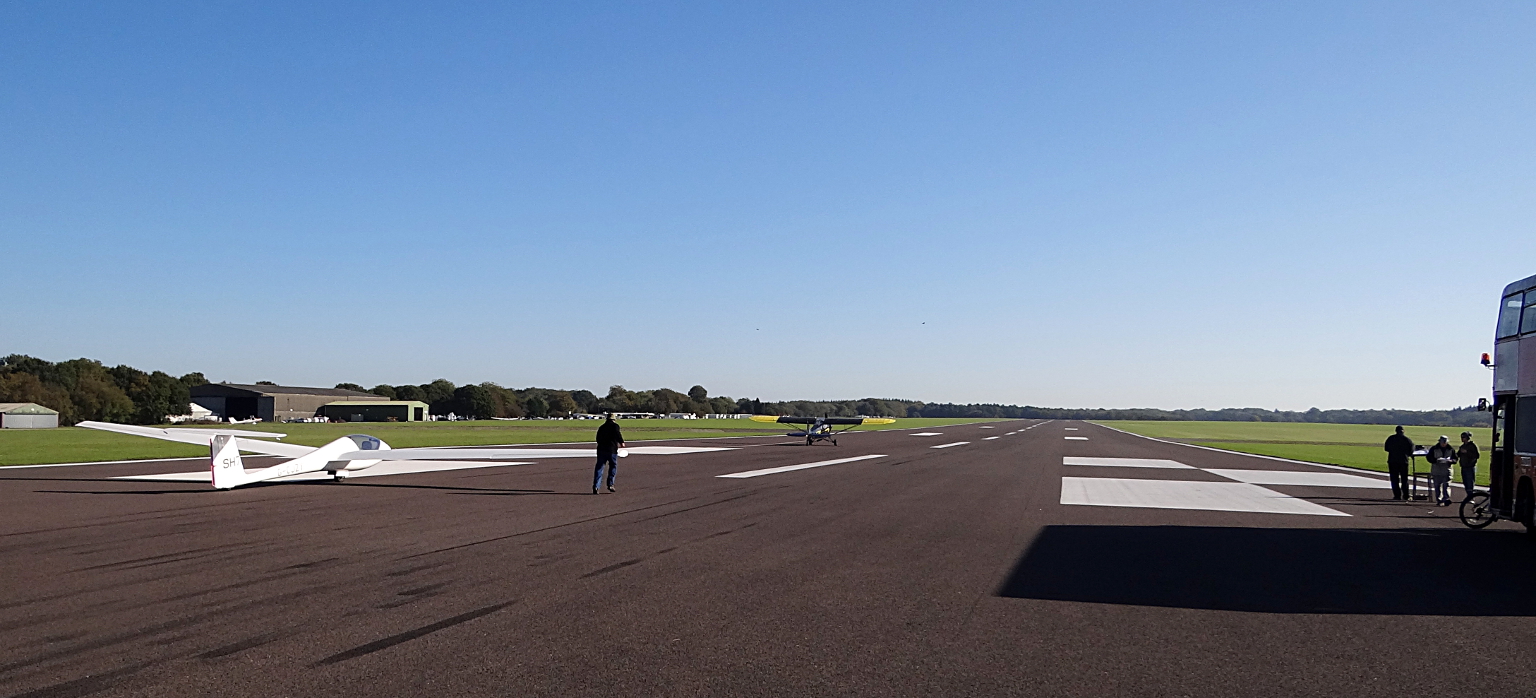
The keen-ness factor must have been ramped way up since the launchpoint bus was already parked on the runway.

The loneliness of the long distance launchpoint bus driver.


I was surprised to find the club busier than expected, mainly due to the recent start of the university year resulting in the recruitment of a gaggle of new students from the various university gliding clubs. These are usually from Imperial College, Brunel University and Surrey University and always a welcome sight to balance the prevailing old and wrinkly demographic.

A further cause for surprise was the glider booking sheet. All “Baby” Grob 102 gliders were taken. Then John, a companion club member at a similar level to myself, came up to also look at the sheet. We took one look at the sheet, one look at each other and agreed to share one of the Discus gliders for the day. Having two of us would ease the rigging pain, though the Discus is easy-peasy-lemon-squeezy to rig.

So – decisions made – it was time for the most important part of the day. A good breakfast. Definitely not in the “good for you” category but this is one of my secret weapons – by having a hearty English breakfast I have enough energy to sustain me right through the day so I can take a midday flight while others retire to the clubhouse to have lunch. On one occasion the reduced lunchtime demand allowed me to continue thermalling over the launchpoint.

On this autumn day I had checked the sunrise(7:24) and sunset(18:08) times before leaving and therefore knew that peak sun would be at 12:36. So adding a bit of time to let the ground heat the air to generate thermals I knew that a good launch window would be around 1pm.

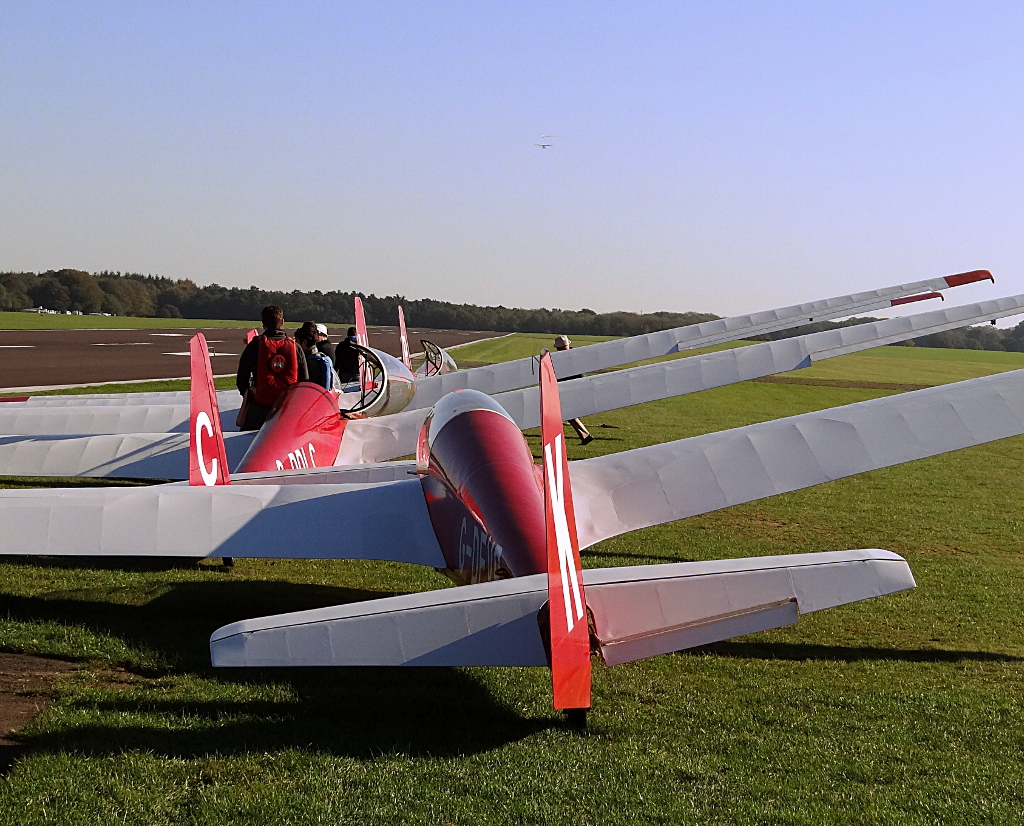
An all-action sight outside the main hangar as gliders are prepared for the day.


Breakfast finished – it was time to get out a parachute and get over to start rigging the Discus.

It was lovely – a sunny morning – a bunch of flying twits all together – and a hive of purposeful activity with loads of crazy repartee and banter.

I heard a marvelous conversation between a pessimistic Sean and his more optimistic Antipodean friend Nigel – Sean was not expecting good flying, let alone any decent soaring, but Nigel was undeterred mentioning he would rather presume a good soaring day and be wrong than be in a more negative “space”. I love the mix of the physical activity of rigging with such philosophical musings.

Wonderful.

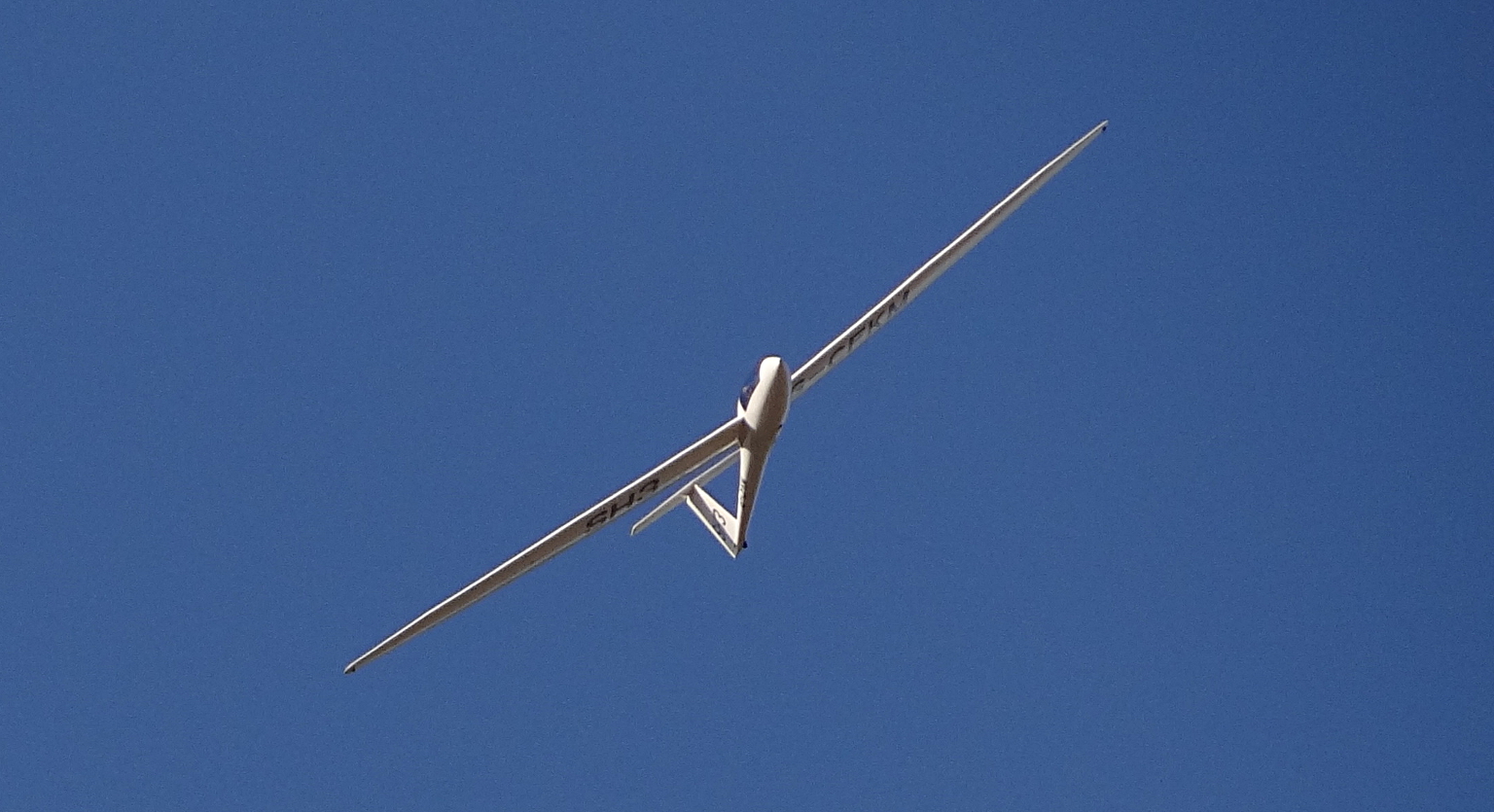
Early aerotow of SH7 off into the blue.

The morning rush-hour at Lasham. Students learning in the K13s.

It was then that John said he needed to go early in the afternoon and I offered that he go first. Truth to tell, with my guess that the day would not get going properly until lunchtime I was all too happy to let John start the flying. So John, if you are reading this – my apologies – I knew then that I would get the best of it but didn’t realise by how much!

Another reason for feeling happy to let John go first was that, as I have mentioned before, I like to take some time to get my head into the right place for the flying.

John ended up taking 3 winch launches and on the first two returning to earth in short order. It was not looking good. He was reporting the lift as being very sporadic and difficult to hold onto. On his third launch he did better and managed to find some lift to earn a very respectable 21 minute flight.

However he was reporting that the lift was topping out at around 1000ft which is rather low so I was not expecting too much, only hoping to maybe get a 30 minute flight. I was thinking I would try one winch launch and then take an aerotow but such a strategy is no guarantee of success.

John finding some lift...

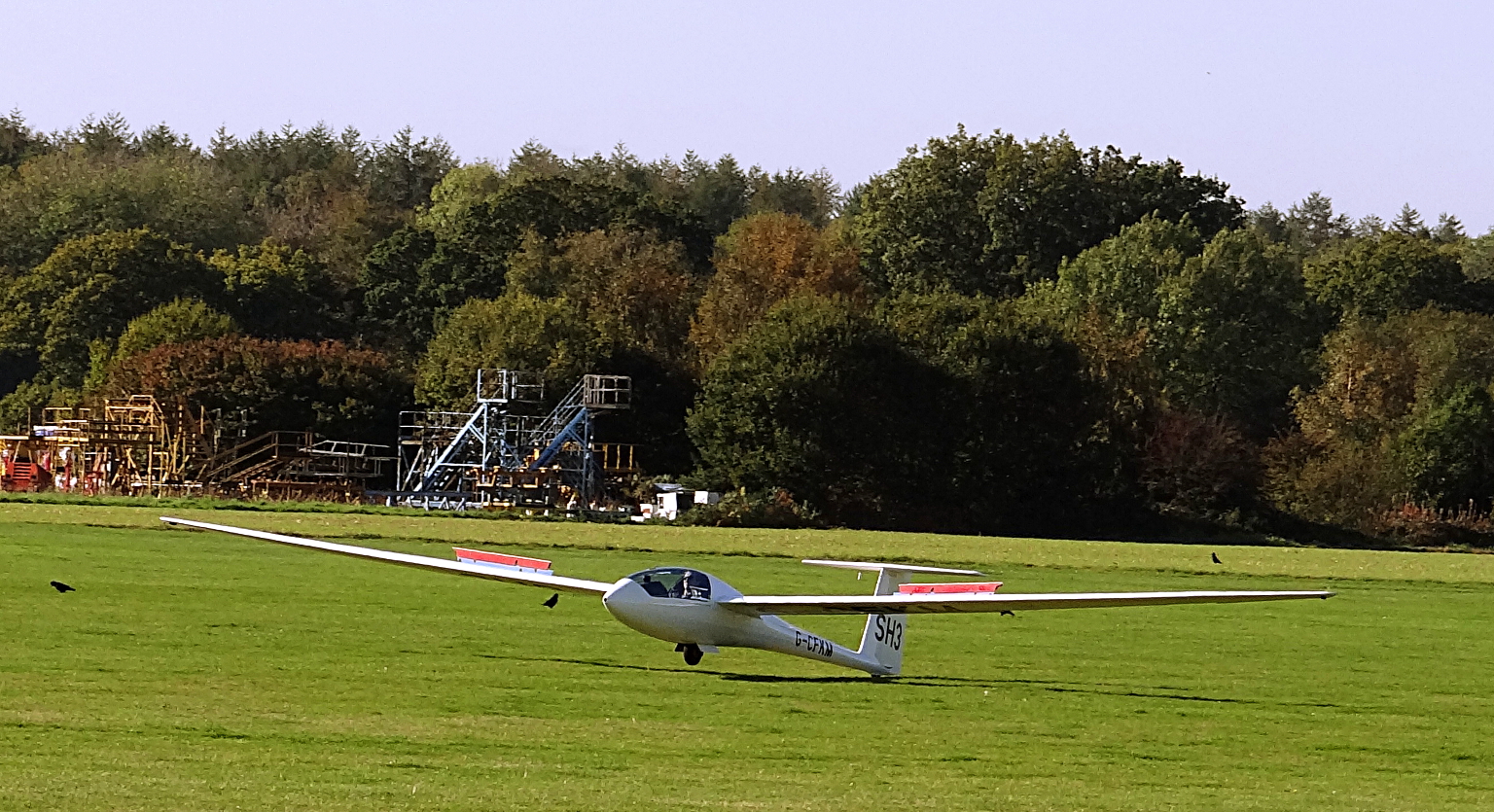
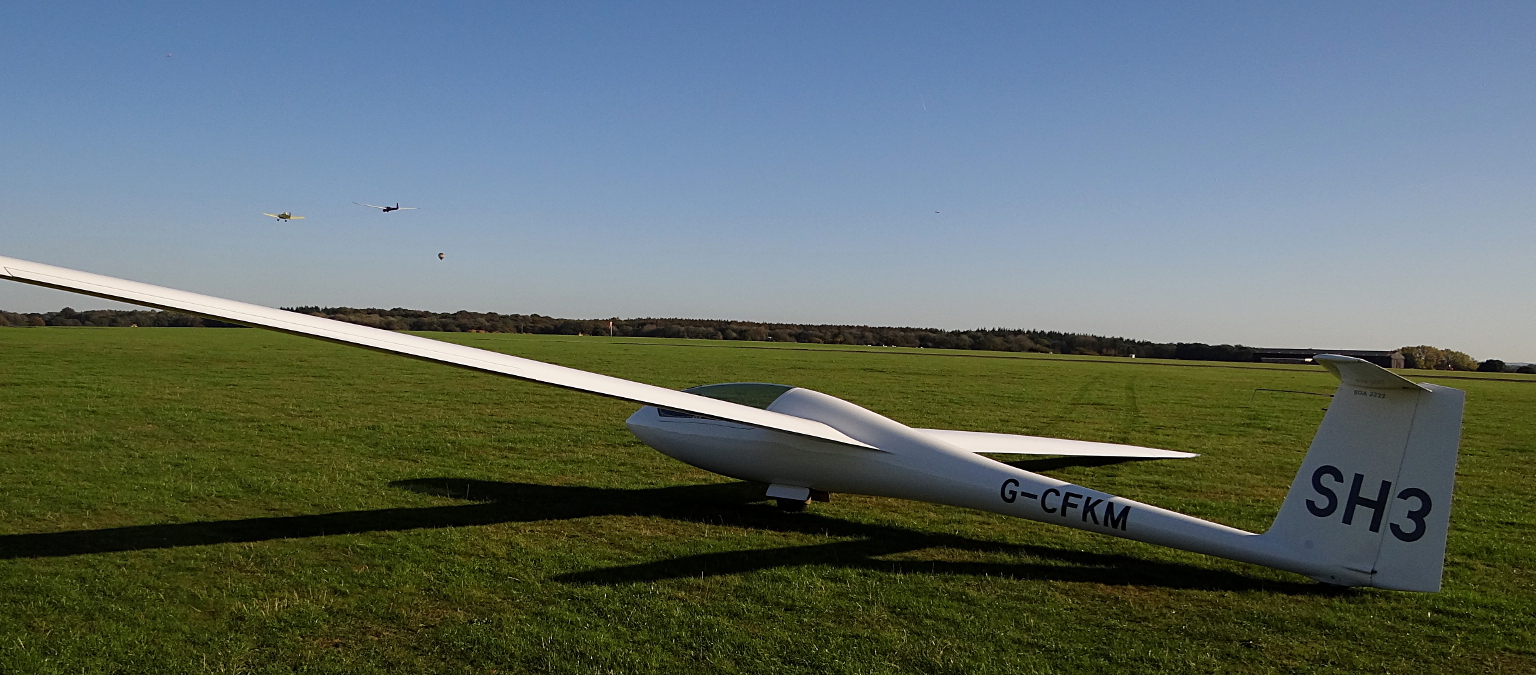
...and landing SH3

So – It was about 12:30. John had just landed. And it was getting to my 1pm preferred launch time. But would I be able to find any lift?

I was sceptical to say the least and was definitely expecting to need a subsequent aerotow.

Tug pilot looking bored waiting for customers.

Winch queue showing the clouds in the background marking the developing lift - I hope.


By now with all the waiting I had got my head into the right “space” and had all my things : camera. water, map, ready for the cockpit. I collected John after he landed and we pushed it onto the back of the winch queue. I got settled in, adjusting everything as required and making sure the cockpit was set as required.

Just before 1 o’clock I was on the front of the queue and ready to go. Checks done – CBSIFTCB + E for Eventualities – then the request for the cable : “Cable on please – Blue link” – and now seeing the cable slack being pulled in prior to the “All out”. Cable tension taken – and we’re off!

The launch was a good one. I had put a fair amount of “right hand down” correction for the crosswind component plus I managed to get 1400ft! 200ft better than my previous best launches for the single seaters – so I was pleased. Having got the glider trimmed, undercarriage raised – I flew straight into some lift. Fantastic! Not much, just a gentle 2 knots up with Charles talking to himself and being careful NOT to lose the thermal.

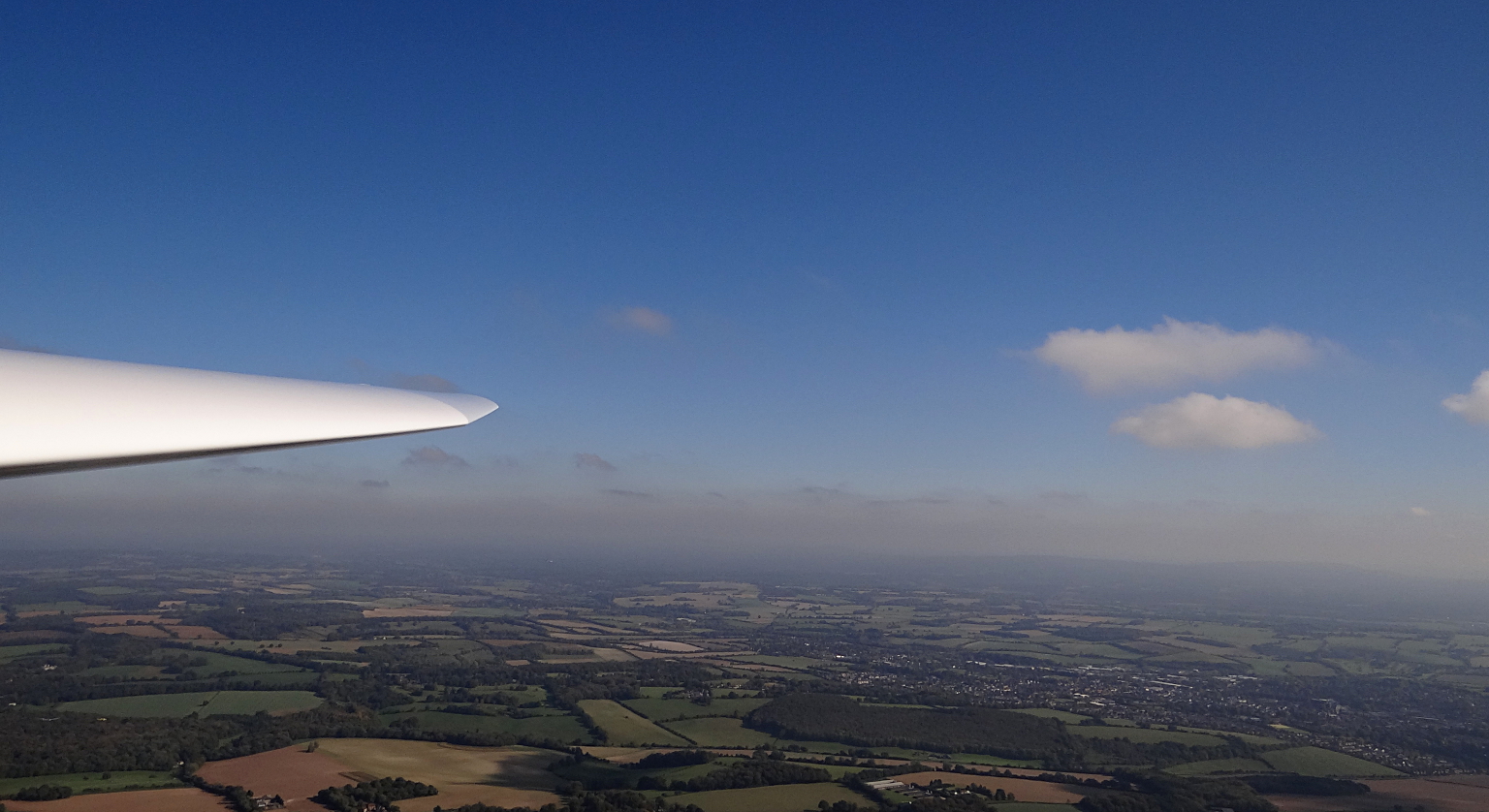
I managed to take one picture after having gained some height which showed the conditions with a fairly strong inversion at about 2000ft with small undeveloped cumulus clouds just below it.

A good sense of the conditions for the day. Inversion at 2000ft trapping small cumulus.


The first half hour was spent just playing around to find the shape of the day’s conditions, and from then on I became more choosy. I scared myself slightly when I got too far south towards Alton and encountered sinking air, but whenever I turned for home I found the glider was well within its capabilities to get back with height to spare so I managed to calm down.

Just after one of these episodes my spirits lifted on seeing a family of buzzards. As I have said before, I find flying near such birds a sublime experience and this time was no exception with them infallibly marking the best lift. This improved my visualisation of the air currents immeasurably since although the area was busy with gliders there was no discernable pattern to the thermals.

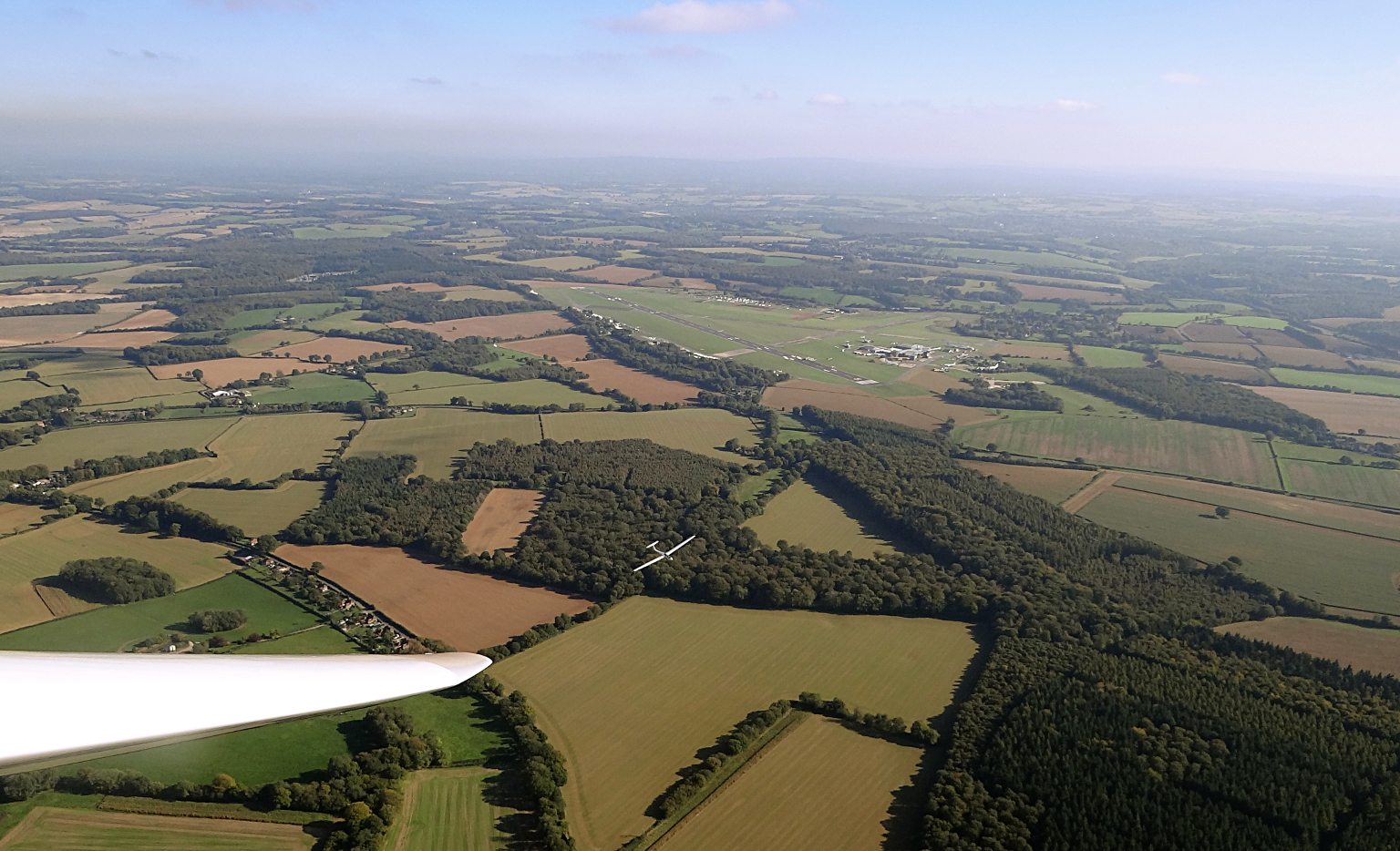
Grob 102 in the distance in hazy conditions. You can see the streeting of the clouds from left to right.

Company arriving to try and pick up my thermal, but it was too weak to be useful at the lower height.

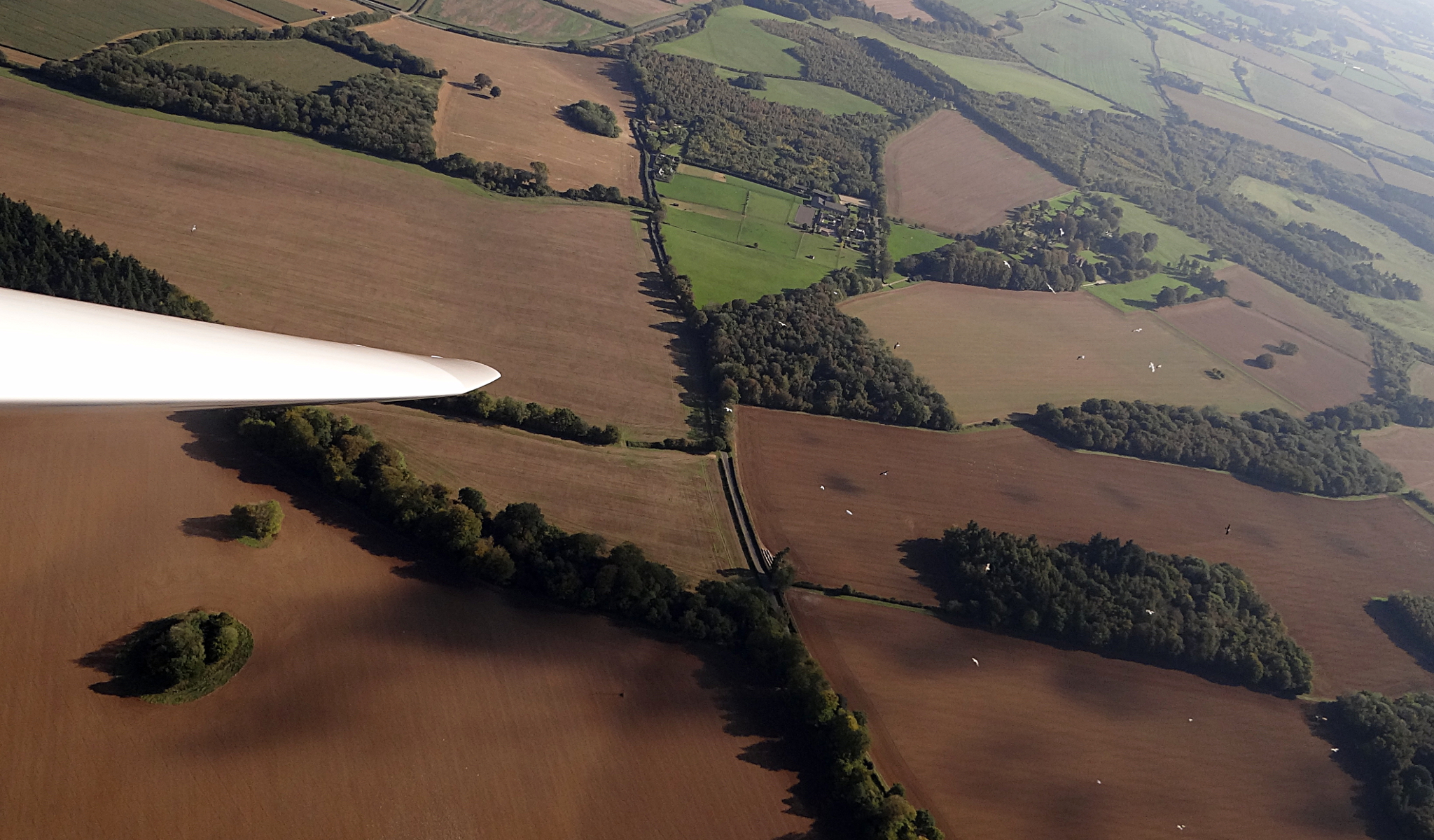
Seagulls waiting for a meal from the field being ploughed below. They are not to be trusted to indicate good air!

If flying with the buzzards was sublime, flying with seagulls was ridiculous! I had not given enough thought to the fact that they are scavengers of the first water. On finding a flock of them I immediately joined in but found that the air was sinking! When I looked down I could see what had got their attention. A farmer was ploughing a field and they were hanging around above waiting to pick up something to eat from the field. Lesson learnt – choose which feathered friends you can trust.

In the end I managed to stay flying for 1 hour 35 minutes, although not once getting above 2000ft, so another wonderful yet testing flight and in the middle of October too. To fly is a great pleasure, but to also get a chance to develop an artistry in divining the air currents to me makes these flights truly phenomenal experiences.

It is time to take stock of the lessons learnt so far in what are my early soaring flights:

  • When adjusting the glider position within a thermal only make small changes of direction and work very hard to make a 3D picture of the air.
  • Make planned changes to the circle you are flying, testing out in 4 directions from where your circle is at the moment. This is still a work-in-progress for me as I am still learning how to do it properly.
  • If thermalling with other gliders, or birds, watch to see if they are rising or sinking compared to your own flight path and adjust as required, but always stay safe.
  • Don’t automatically think that the other glider has found better air.
  • I end up talking to myself a lot. I guess hearing my thoughts expressed out loud allows me to double check my assumptions.
  • You can trust buzzards to find the rising air.
  • You cannot trust seagulls to do the same.


Discus SH3 back at the trailers and ready for de-rigging.


Having returned to earth and checked that no-one else wanted the glider I flew a quick hangar flight and took SH3 back to the trailer for de-rigging. Many thanks to Ed (he of aerobatic instructional tendencies) for helping out.


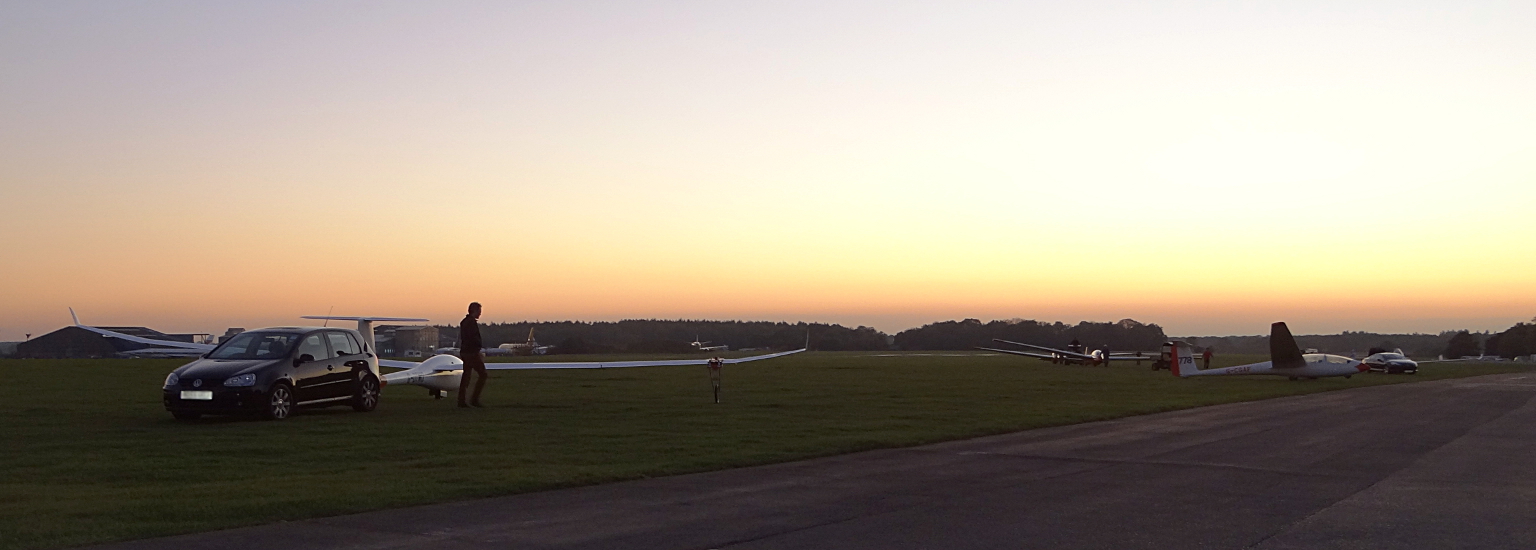
The launchpoint was kept manned right up until sunset so here are the last shots of the day…

K13 on finals to the hangar under the evening sun.


The end of another wonderful day with gliders returning to be packed in the hangar under a perfect sunset.

As the sun is now lower in our skies this is likely to be one of the last Glider Chronicles for 2011 although I shall fly whenever weather and money allows. I will continue with my People & Technology posts, plus I have thought up a little scientific project for the winter to aid visualising air currents. Watch this space.

Let me know if you have liked the Chronicles this year and say if there is any other information you would like to see in the format for next year and I shall do my best.

All the best and Safe Flying!

GLIDER CHRONICLES 2011 – September 28th : Big Wings & Blue Skies

Just a small post for the Glider Chronicles today. The weather recently has not been good during the weekends but wonderful during the week. Enough of wistful gazing out of the office window already! It was time to stop being conscientious and take a day off from the work week as sunny skies and a high pressure had been forecast. I used the first sunny day since I know that high pressures can lead to lowering inversions.


Explanation: Inversion
Normally as you go higher into the atmosphere the temperature decreases at about 2°C per 1000ft. As the name implies an Inversion occurs when at a certain height the temperature increases for a while as you go up. As thermals rely on warm air rising through the surrounding cooler air, when they hit the height of the Inversion they usually stop rising, unless they are strong enough to punch through. Inversions happen frequently during high pressure weather because the air in a high pressure system is descending which also traps dust in the lower air. Thus in the photographs below you can quite clearly see the line in the sky at the Inversion height.

What this means for the glider pilot on the street is that it clamps down the lift and you cannot go higher than the height of this temperature inversion. This week the inversion was at about 1500ft, quite low. Just about the height you could get from the winch launch.

I had planned to do some more single seater flying in these conditions but an early conversation with an instructor convinced me that converting to fly the high performance twin seater DG1000 would be a fun thing to do for the day, and give me a more tangible goal. Of course the fact that he said it was a good spinning aircraft had nothing to do with my decision! He is also one of the main aerobatic instructors – a skill I would like to work on next year since I think it important to know the limits of the technology you are using.

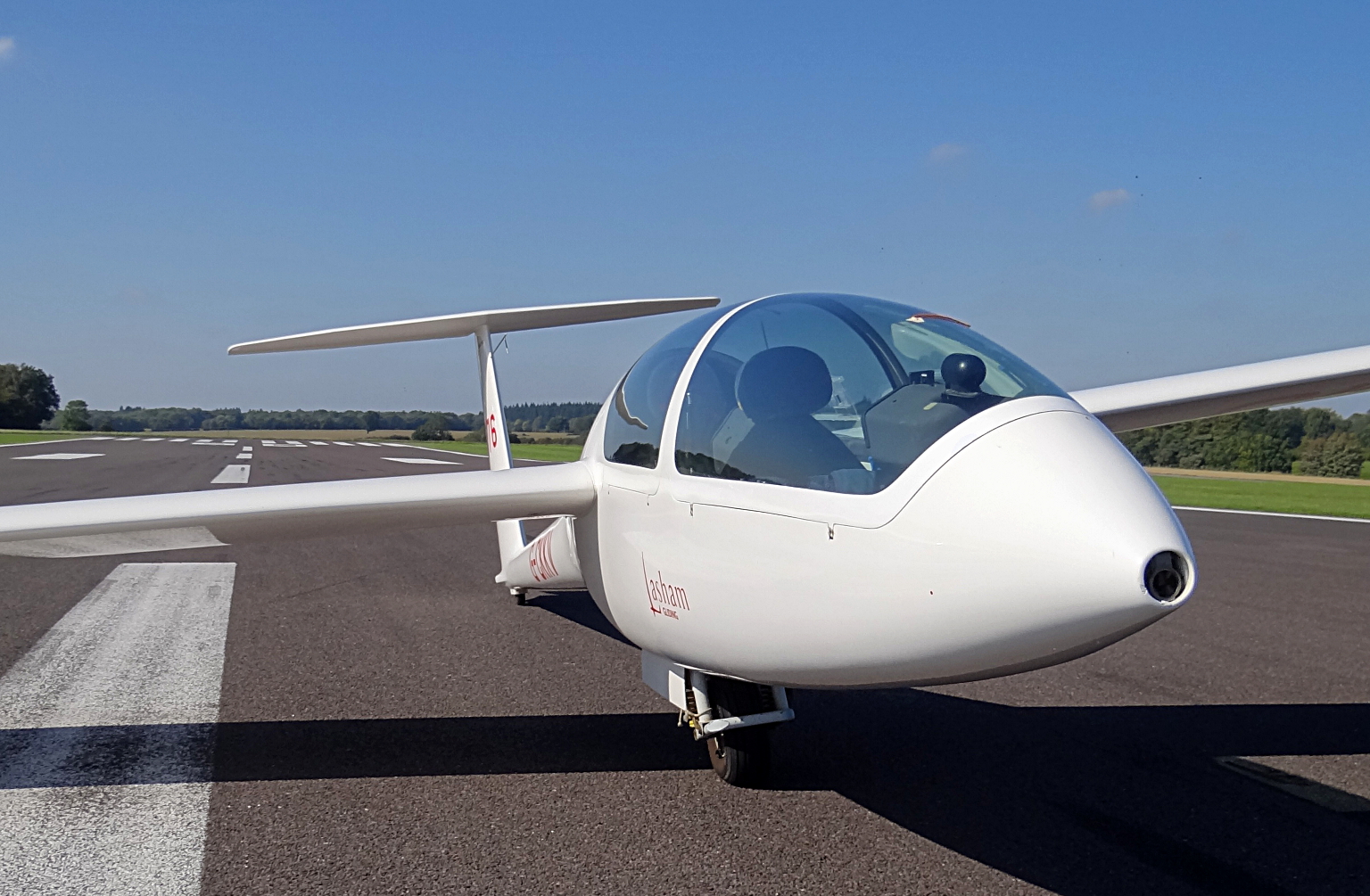
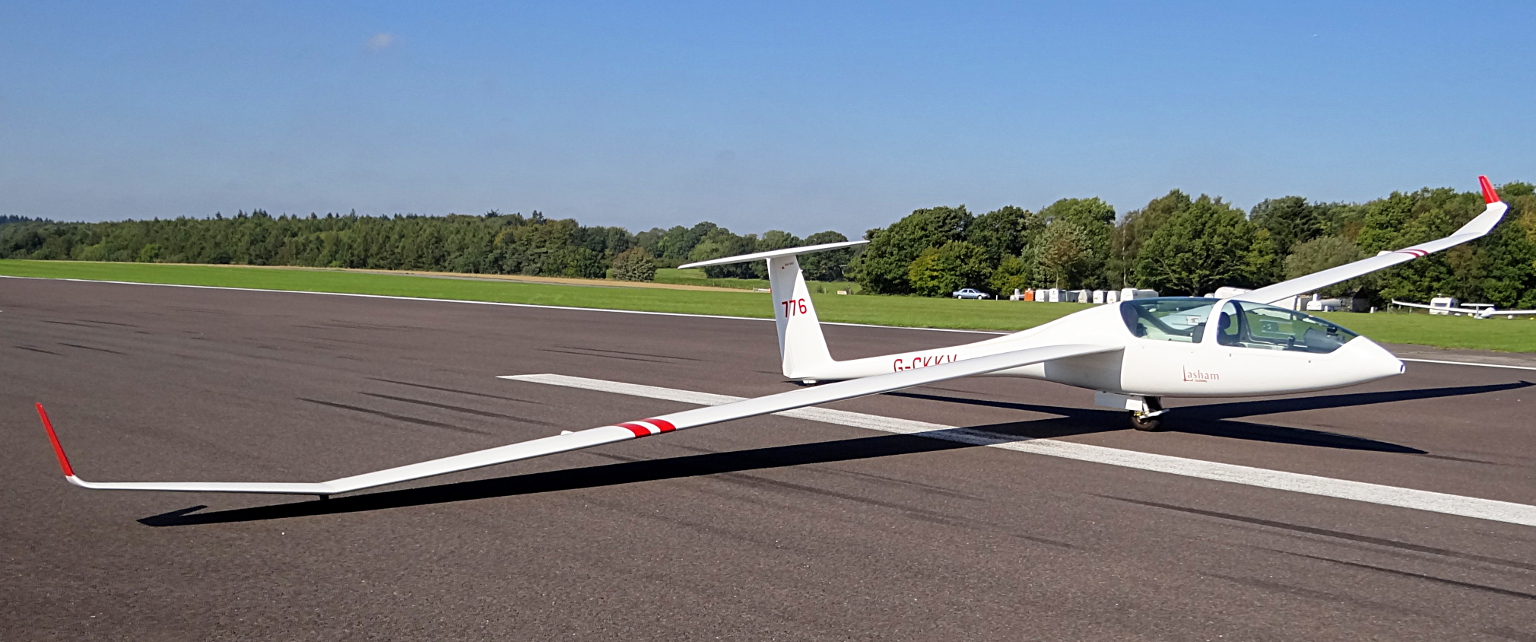
DG1000 front view showing large undercarriage strut.

DG1000 waiting for aerotow

Once the glider was checked and taken out to the launchpoint, next was to get the ballast weights sorted out. With our combined weight the DG1000 needed all of its tail weights fitted, something that I had not used in other gliders. But they all had to be taken out later when I went solo.

Since we were planning to do some spinning and as this glider could lose a lot of height in a spin we took an aerotow to 4000ft. Of course I did my usual trick with big wing gliders of not using enough rudder as I had done with the Duo Discus. [All thanks to Adverse Yaw explained here.]

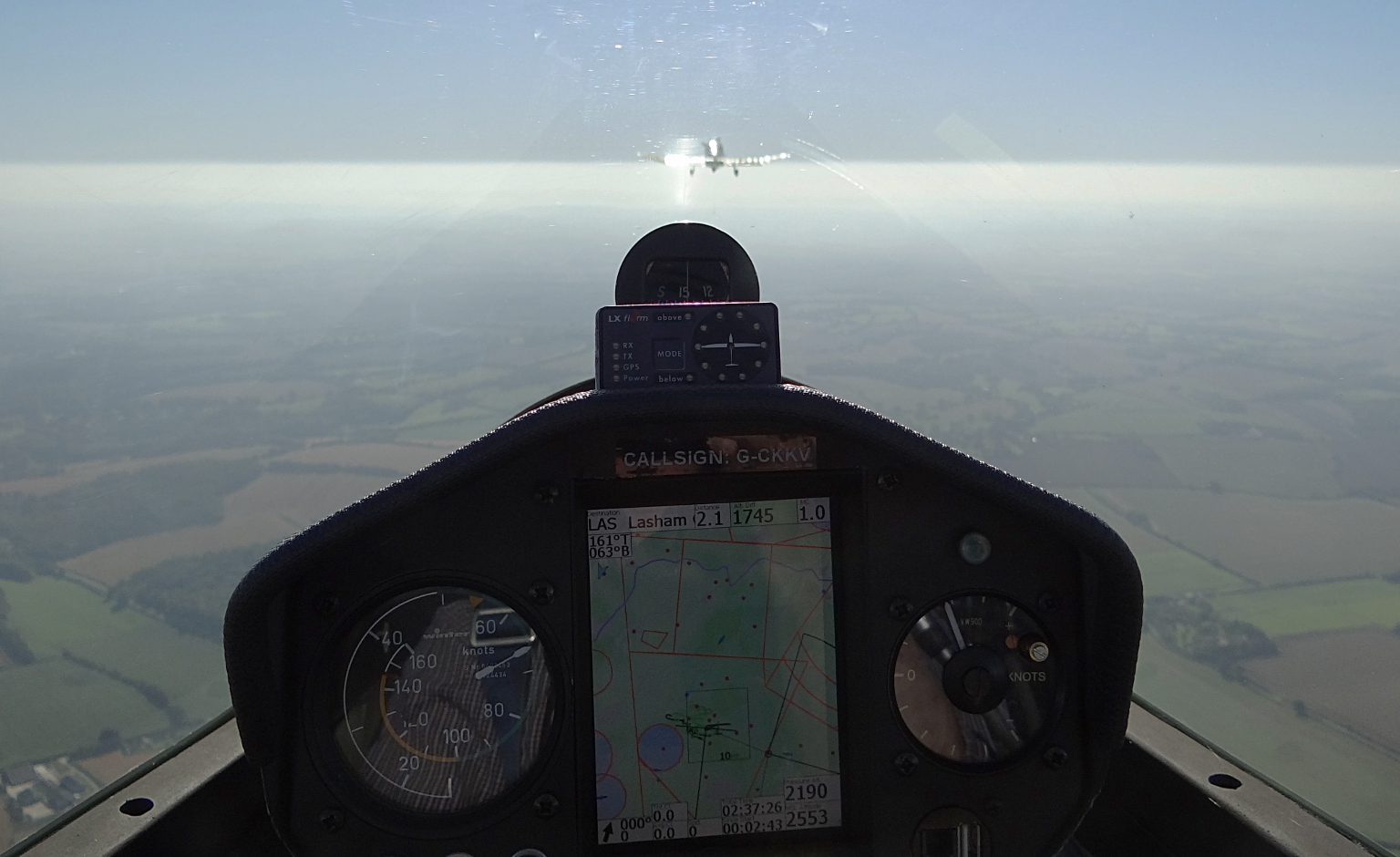
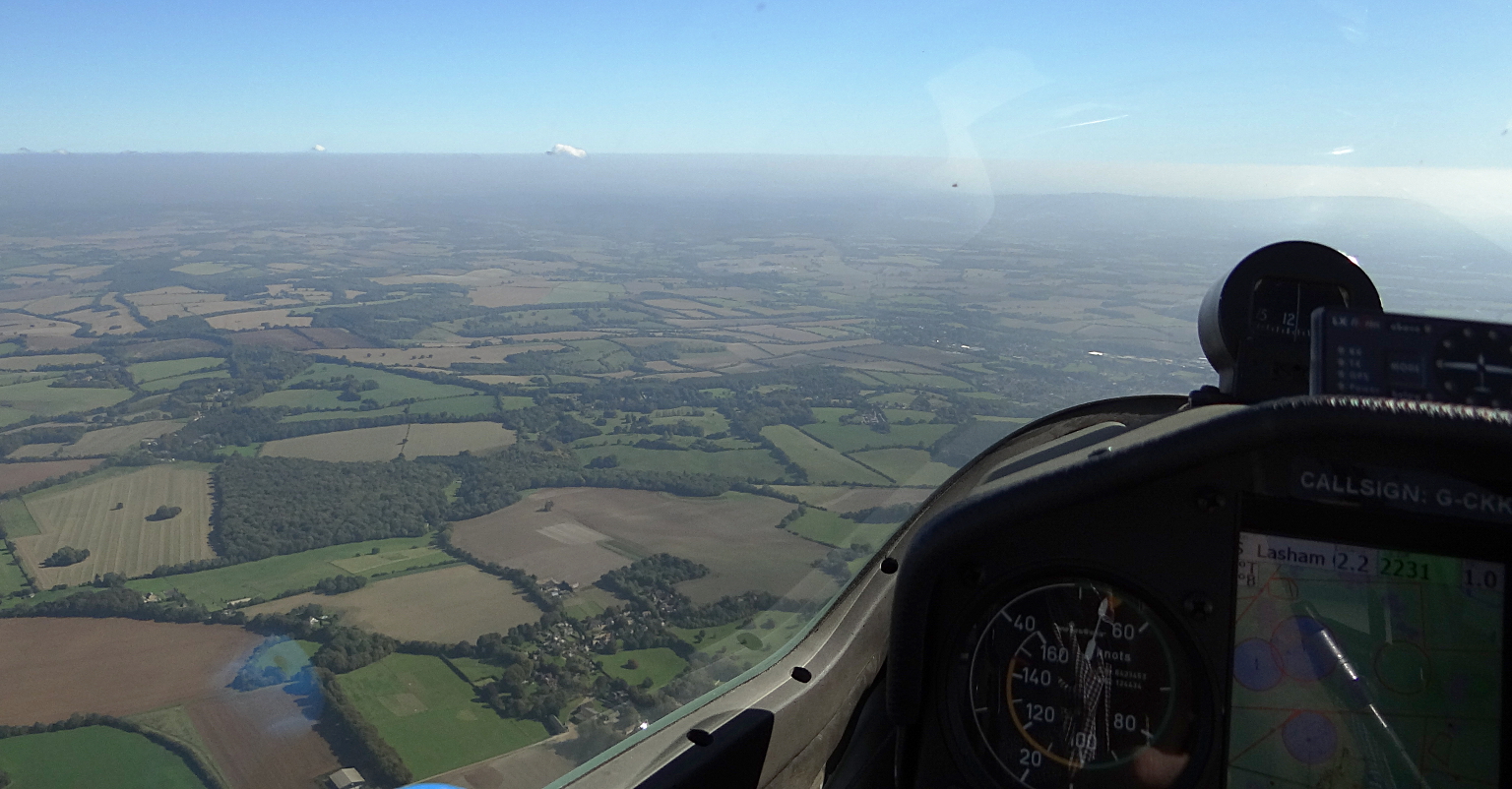
As you can see from the aerial photos below, the inversion was quite visible as a line separating the clear upper air from the mucky lower air. A few cumulus clouds can be seen just at the inversion top where the thermals were strong enough to push through. The cloud will then form as the air temperature in that area reaches the dewpoint.

Hazy conditions southbound on aerotow.

Cumulus visible to west just above the inversion.
The black dot is a Chinook helicopter from Odiham.

Looking north to Lasham, showing those lovely big wings and winglet.

[For the Lashamites among us – in the right-hand photo (if you look hard enough) you can see the old airfield dispersal pans being dug up on the south-east side of the airfield (just ahead of the wingtip). Work is also being done in the north-east corner.]

So what was my impression of the aircraft? Like the Duo Discus she flies beautifully once you get used to the rudder coordination and thanks to those big wings can keep on flying for ages with a glide ratio up in the forties. To date I had been rather intimidated to take it flying, but no more! I am now cleared to fly it off the aerotow and just need another check for winch launching with it. The spins were also great fun but she did come down fast and it was easy to lose 500-600ft by doing a one-turn spin.

Another notable point about this glider is making sure the undercarriage is down and locked before landing. I had heard a number of horror stories about it collapsing on landing because the lever was not far enough forward and was not properly locked. I found it needed some force to lower the undercarriage but it was ok if you made sure you had the reach. You really really did need to make sure the lever was forward, in its detente, and locked against the canopy wall. I have seen some people land with the undercarriage up and it needs about 10 people to go out to it and lift under the wings so the wheel can be put down!

For once the day’s flying included an instruction flight so I have some log book comments by the instructor:

Conditions: Light southerly wind. Inversion at 1500ft.
Instructor Notes:
DG1000 checkout. Spin avoidance and recovery OK. Aerotows OK. Have another winch launch cable break before solo 776 on winch. OK for solo on aerotow.
Personal Notes:
4000ft dual aerotow. Cable break winch launch. 2500ft solo aerotow.


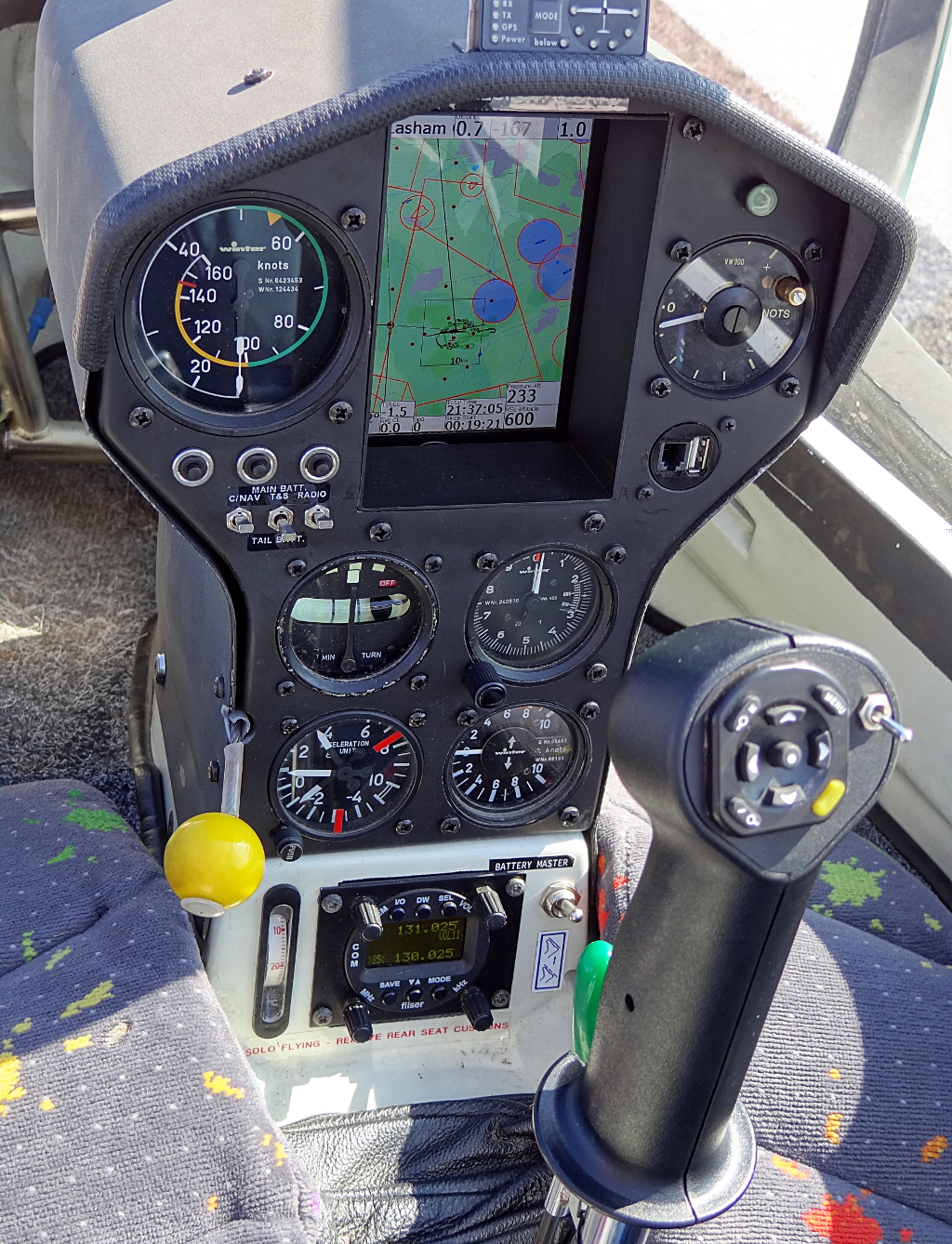
Front cockpit binnacle of the DG-1000.

The photo on the right shows the cockpit panel.

The gauges from top to bottom, left to right are:
ASI – Airspeed Indicator.
ClearNav – Nav computer with control buttons on the joystick.
Vario 1

Next row:
Turn and Slip indicator.
Altimeter – A small one! You have to crane your neck to look around the joystick.

Next row:
G-meter – For aerobatics.
Vario 2 – Cannot have enough variometers.

Next row:
Temperature gauge – Presumably more useful in Scotland wave flights where it can get 30°C below zero.
Radio – The usual type found in the Lasham gliders.


DG-1000 776 by the hangar ready to be de-rigged to do some wave flying in Scotland.
Behind are Discus SH3 on the left and the Falke SF-25C motorglider on the right.
You can see the transparent cover in the tail for the ballast weights.


Athough this was primarily a twin seater day, I did also fly the Baby Grob SH7 later which proved to be hard work although I managed some 38mins from a winch launch – good for the conditions. It consisted mainly of scrabbling around from 1000ft up to 1500ft, then losing 500ft flying back upwind and starting to scrabble again. I wont say too much about an earlier winch launch before that which resulted in a slightly low circuit. Not my best!

However it was still a lovely day out and I do really like the DG-1000. I shall not feel too intimidated to get it out flying next time.

As I usually say:
             Love those big wings!

Till next time…